
The Rudolf Virchow Anthropological Collection.
– Medical Illustrations
Anatomical precision meets
technical documentation
Project Summary
During my work with the Rudolf Virchow collection, I conducted on-site analyses of human skulls and produced detailed technical drawings for scientific documentation purposes. The focus of this work was the accurate recording of post-mortem damage, specifically to document and differentiate fractures and losses that occurred during storage and handling processes.
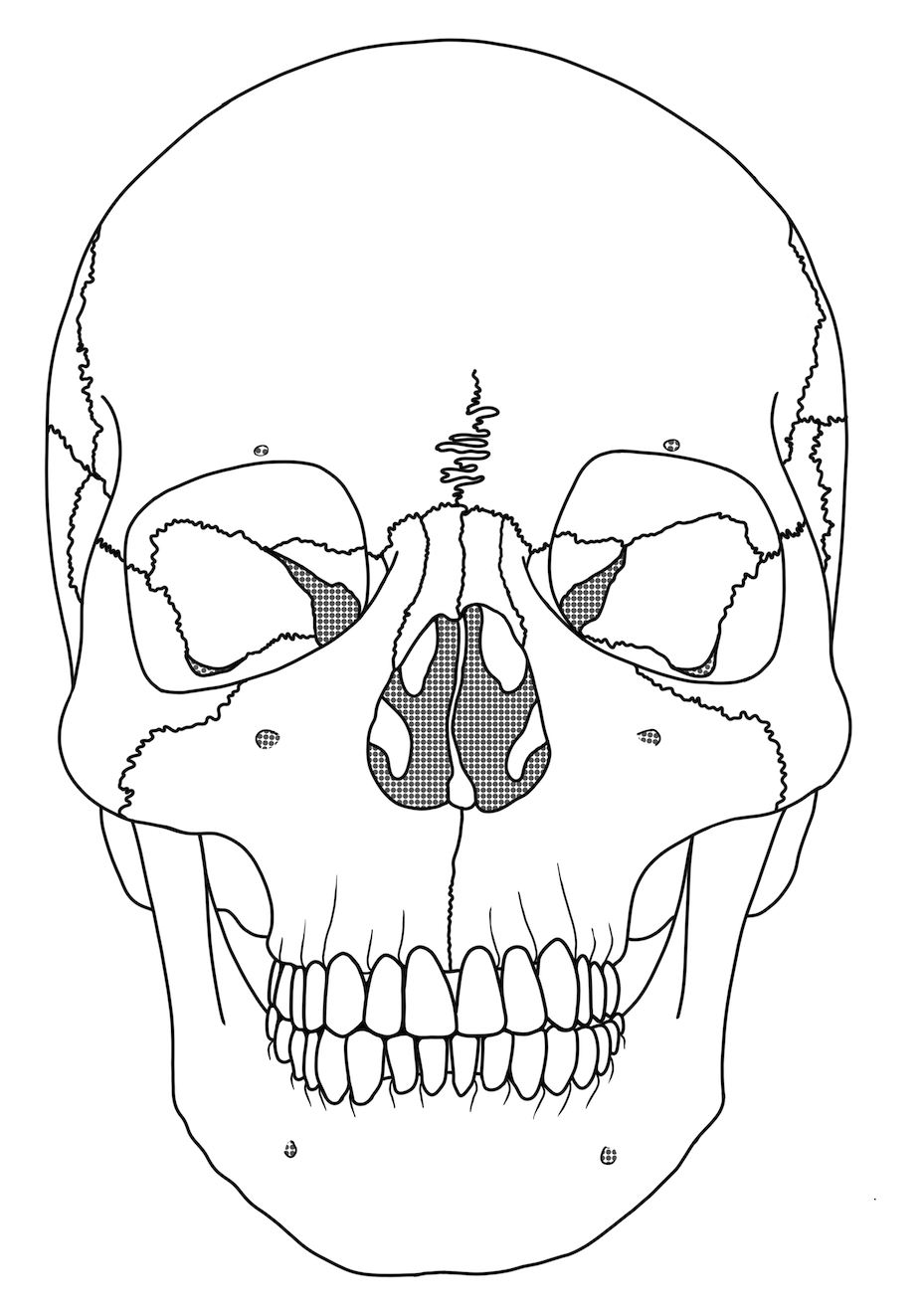
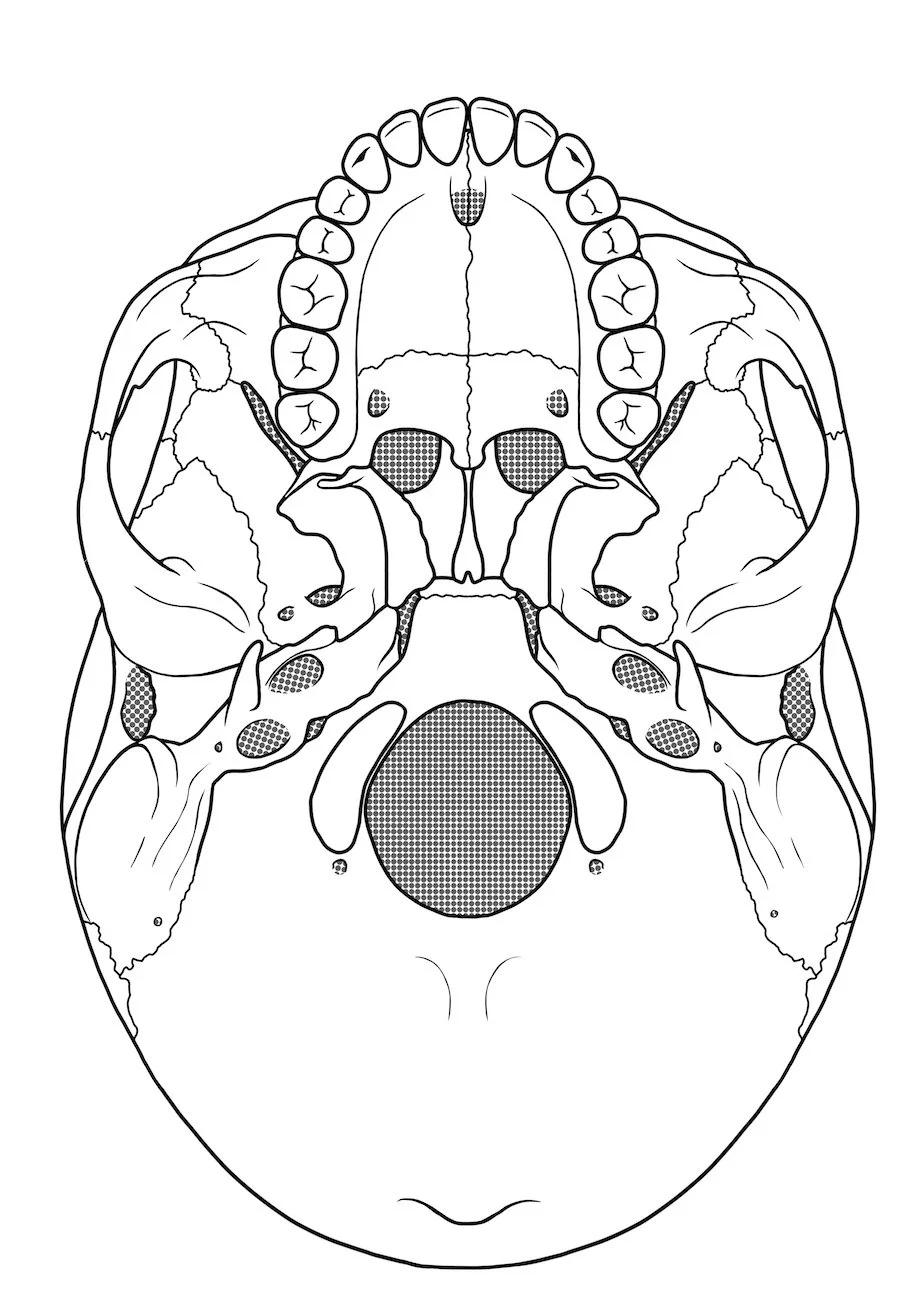
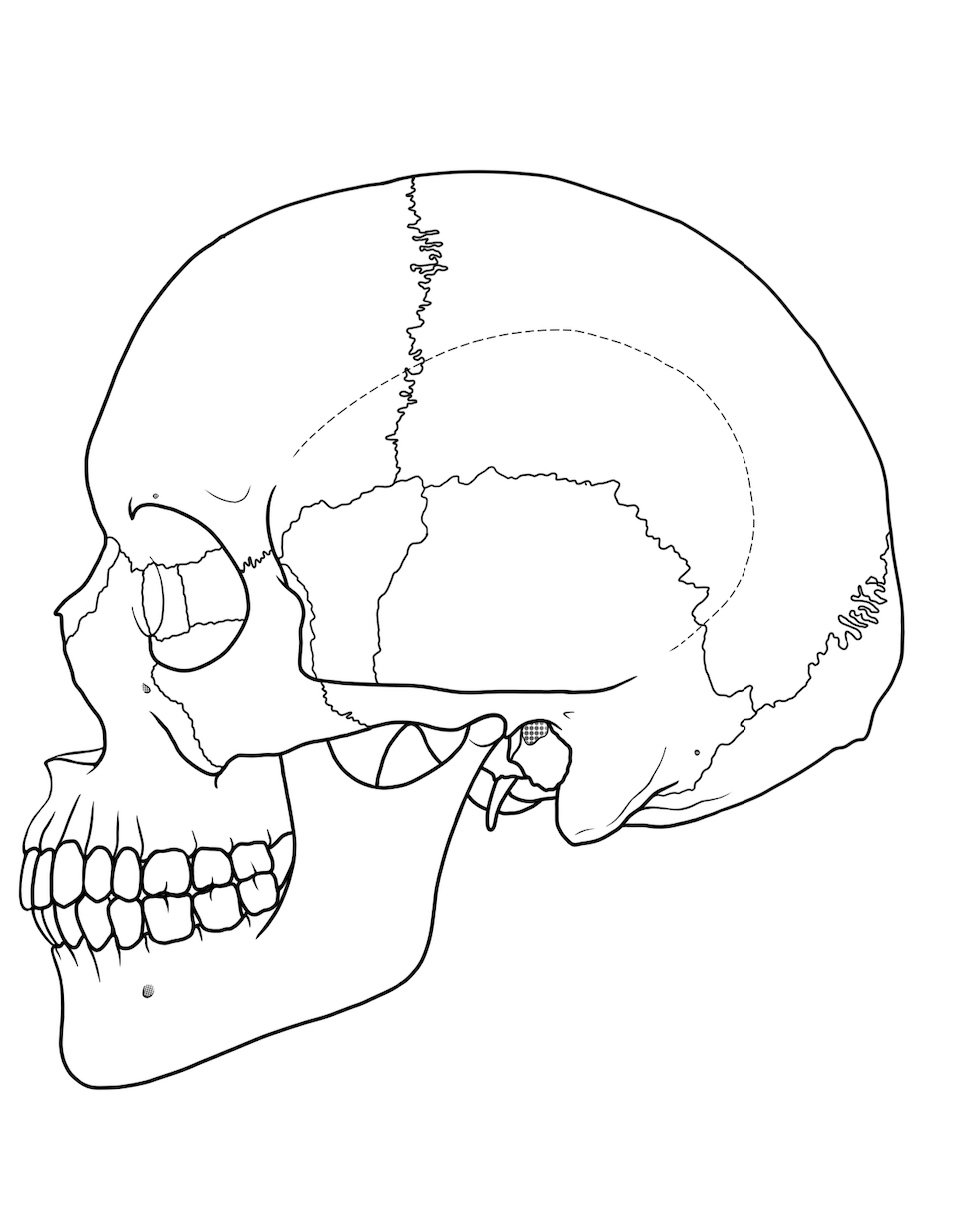
I developed a full set of standardized orthographic drawings of the skull, including frontal, posterior, superior, left, and right views, ensuring consistent visual documentation across all perspectives. These drawings were designed to function as a clear and reliable reference for comparative analysis and long-term archival use.
In addition to the complete specimen documentation, I created approximately fifteen individual case-based records for provenance research. These visual documents supported the systematic evaluation of fragmentary conditions and contributed to the reconstruction of object histories within the collection context.
Client
The Berlin Society for Anthropology, Ethnology and Prehistory is an independent association dedicated to promoting research and disseminating scientific knowledge about the origin, development, history, and culture of humankind.

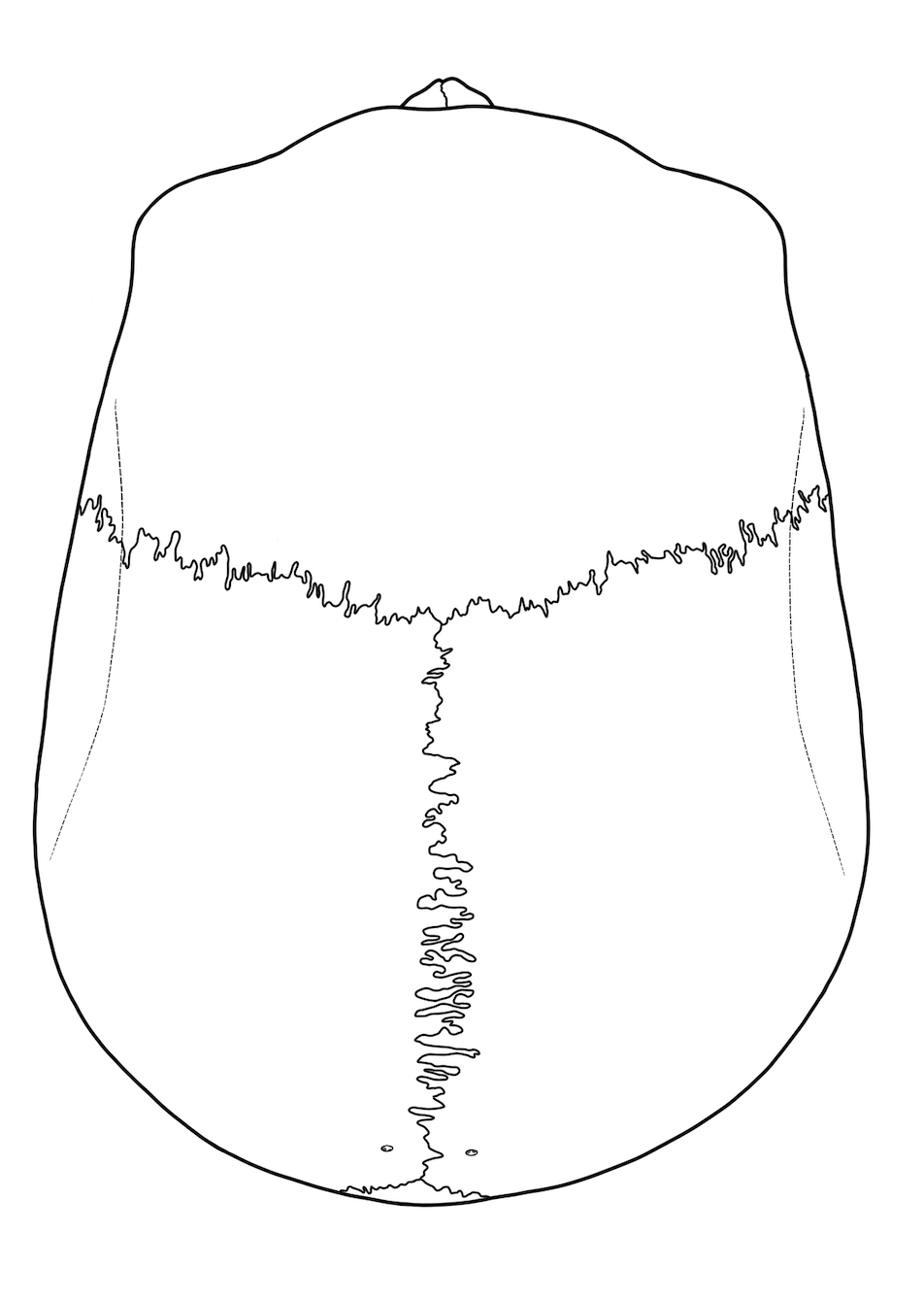
Due to the sensitive nature of the topic,
I will not disclose any images of the model worksheet in use.
My Role & Contribution
Made an anatomically accurate skull drawing including observed postmortem damage
Ensured scientific correctness and visual clarity in drawing
Managed sensitivity of subject, respecting conservation and ethical considerations
What I Learned
I learned medical/anatomical accuracy in illustration, how to thoughtfully handle sensitive historical and biological materials, and how to visually document details (damage, condition) in a respectful, educational way. I also improved research and observation skills under those ethical constraints.